
Get Arborist Pruning in Cape May, NJ
Arborist pruning services for property owners in Cape May and nearby areas address safety concerns, remove dead or overgrown branches, and enhance tree health and appearance.
Arborist pruning services are essential for maintaining the health and appearance of trees on residential properties in Cape May, NJ. Proper pruning can prevent potential hazards by removing dead or weakened branches that might pose safety risks during storms or high winds. Additionally, well-maintained trees contribute to a property's overall curb appeal, creating a more inviting and aesthetically pleasing environment. Property owners often seek these services to enhance the safety, functionality, and durability of their landscape, ensuring trees remain strong and attractive for years to come.
Beyond safety and appearance, professional pruning can reduce ongoing maintenance needs by preventing problematic growth or disease spread. Strategic trimming also helps improve sunlight exposure and airflow, which supports the vitality of the trees and surrounding plants. This proactive approach can lead to healthier trees that require less frequent intervention, ultimately providing long-term benefits that align with property owners’ desires for a safe, attractive, and low-maintenance outdoor space in Cape May, NJ.
- Thinning and Crown Reduction - performed when trees need to reduce their size or improve structure for safety or health reasons.
- Deadwood Removal - necessary to eliminate dead or diseased branches that could pose hazards or spread decay.
- Structural Pruning - used to correct weak branch unions and improve the overall stability of mature trees.
- Formative Pruning - applied to young trees to develop a strong, healthy structure as they grow.
- Emergency Pruning - required after storms or severe weather events to remove damaged or fallen branches.
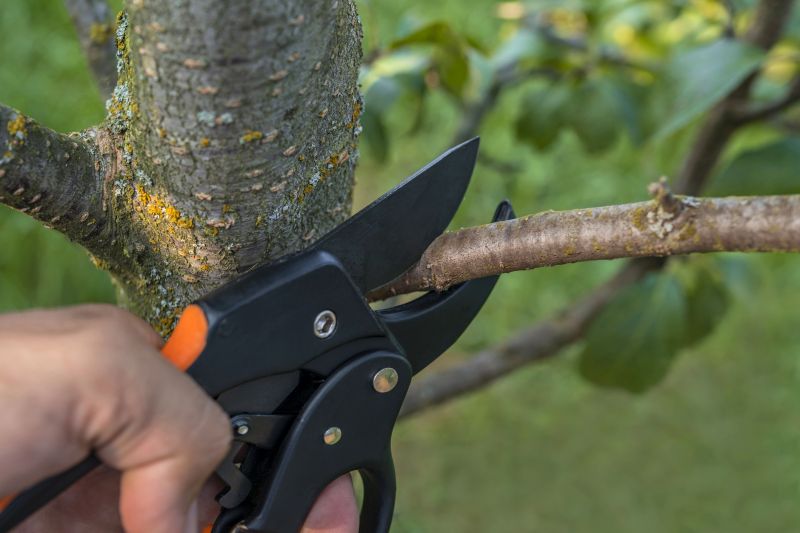
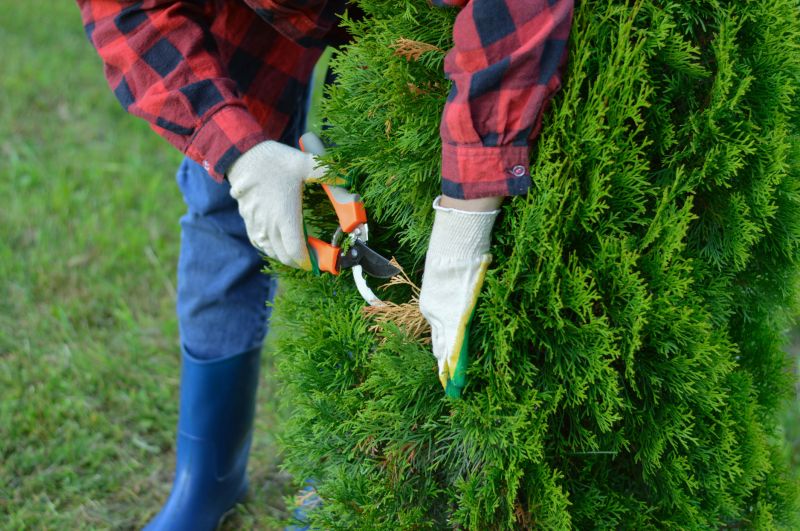
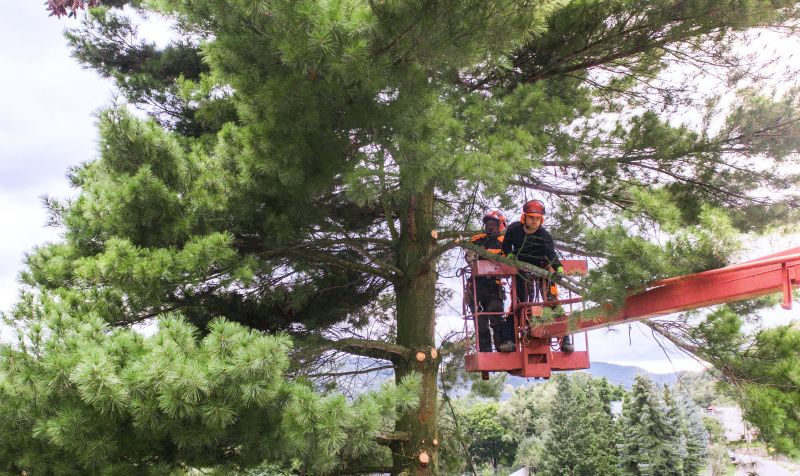
Arborist pruning services involve the selective removal of specific branches and parts of a tree to promote healthy growth, improve appearance, and maintain safety. These services are performed by skilled professionals who assess each tree’s structure and health before carefully trimming to remove dead, diseased, or damaged limbs. Proper pruning can help ensure that trees develop a strong, balanced form while reducing the risk of falling branches or other hazards, especially in areas with frequent storms or high winds.
One of the primary issues arborist pruning addresses is the prevention of safety hazards caused by overgrown or weakened branches. Trees with dead or decaying limbs pose risks to people, property, and power lines. Additionally, poorly maintained trees can become structurally compromised, increasing the likelihood of limb failure. Pruning also helps manage the size and shape of trees, preventing them from encroaching on structures, driveways, or utility lines, which can cause damage or obstruct visibility.
Various types of properties utilize arborist pruning services, including residential homes, commercial properties, and public parks. Residential properties often require pruning to maintain the safety and aesthetic appeal of trees in yards and gardens. Commercial properties, such as shopping centers and office complexes, may use pruning to uphold a professional appearance and ensure safety around parking lots and walkways. Public parks and municipal spaces rely on pruning to keep trees healthy, safe, and visually appealing for visitors while complying with safety standards.
Professional arborist pruning services can also support the long-term health of trees by removing problematic branches that could lead to disease or pest infestations. Proper pruning techniques help improve air circulation and light penetration within the canopy, which can reduce the risk of fungal growth and other health issues. Whether for aesthetic reasons or safety concerns, engaging experienced local service providers ensures that trees are maintained according to best practices, helping preserve the beauty and safety of outdoor spaces.
The overview below groups typical Arborist Pruning projects into broad ranges so you can see how smaller, mid-sized, and larger jobs often compare in Cape May, NJ.
In many markets, a large share of routine jobs stays in the lower and middle ranges, while only a smaller percentage of projects moves into the highest bands when the work is more complex or site conditions are harder than average.
Basic Pruning - Typically ranges from $75 to $300 for small to medium trees. This service includes trimming for health and shape, with costs varying based on tree size and complexity.
Crown Thinning - Usually costs between $150 and $600 depending on the extent of the work. It involves selectively removing branches to improve light and airflow through the canopy.
Deadwooding - Commonly priced from $100 to $400, focusing on removing dead or diseased branches to promote tree health. Costs depend on the number and size of branches involved.
Structural Pruning - Typically ranges from $200 to $800, aimed at correcting weak branch unions and improving tree stability. The price varies based on tree size and the complexity of the work.
Actual totals will depend on details like access to the work area, the scope of the project, and the materials selected, so use these as general starting points rather than exact figures.
Tree Pruning - Local arborists offer professional pruning to maintain tree health and structure, enhancing safety and appearance.
Ornamental Tree Pruning - Specialists provide targeted trimming to improve the aesthetic appeal of ornamental trees in residential and commercial landscapes.
Deadwood Removal - Experts remove dead or diseased branches to reduce hazards and promote overall tree vitality.
Formative Pruning - Arborists shape young trees to establish strong growth patterns and proper development over time.
Storm Damage Pruning - Service providers address branches damaged by storms to prevent further risks and stabilize trees.
Safety Pruning - Professionals perform careful trimming to eliminate potential hazards and ensure safe surroundings around trees.
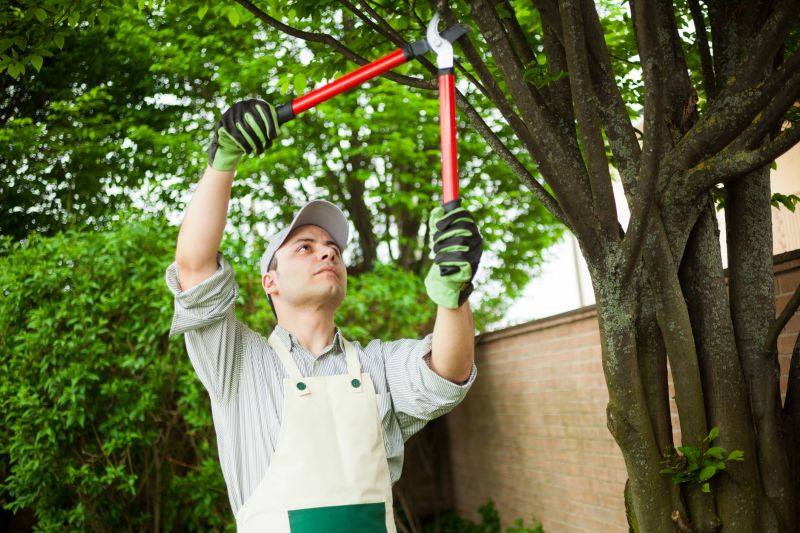
When selecting an arborist pruning service, it’s important to consider the experience and expertise of the local professionals. Homeowners should look for contractors who can clearly communicate their approach and expectations for the work, ensuring there is a mutual understanding of the scope and techniques involved. Reputable references or reviews from previous clients can provide insight into the quality of service and reliability of the arborists, helping to build confidence in their capabilities.
Written expectations are a key component when comparing local options. A professional arborist should be able to provide a detailed scope of work, including the specific pruning methods to be used, the timing of the work, and any necessary follow-up. This clarity helps prevent misunderstandings and ensures that the homeowner’s goals for tree health and aesthetics are aligned with the services offered. Homeowners are encouraged to review these written outlines carefully before proceeding.
Effective communication is essential when working with arborist pruning services. Homeowners should seek out professionals who are responsive and willing to answer questions about their experience, techniques, and service process. Reputable local providers typically maintain transparent communication channels, making it easier to address concerns and coordinate the project smoothly. Since the information below introduces local options rather than performing the work directly, it’s recommended to contact the arborists directly to discuss your needs and confirm their qualifications and communication style.
Property owners in Cape May, NJ use Arborist Pruning services for practical projects around their homes and businesses. The sections below highlight everyday jobs and straightforward project options.
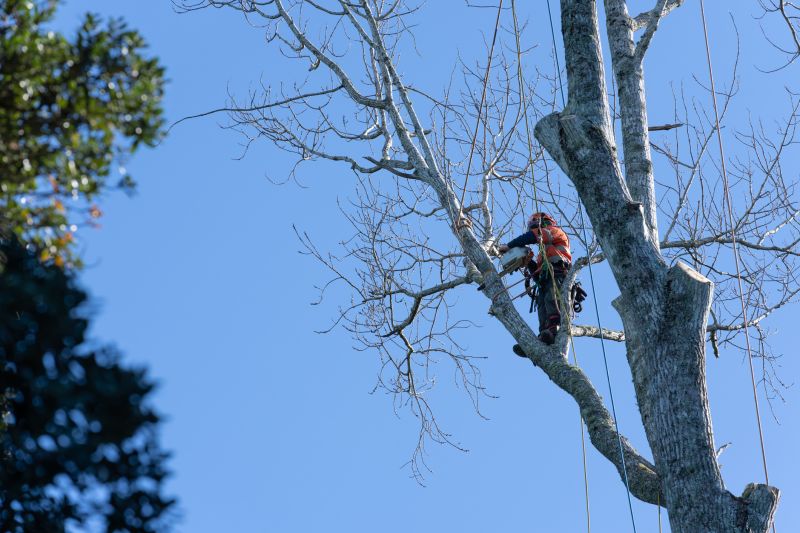
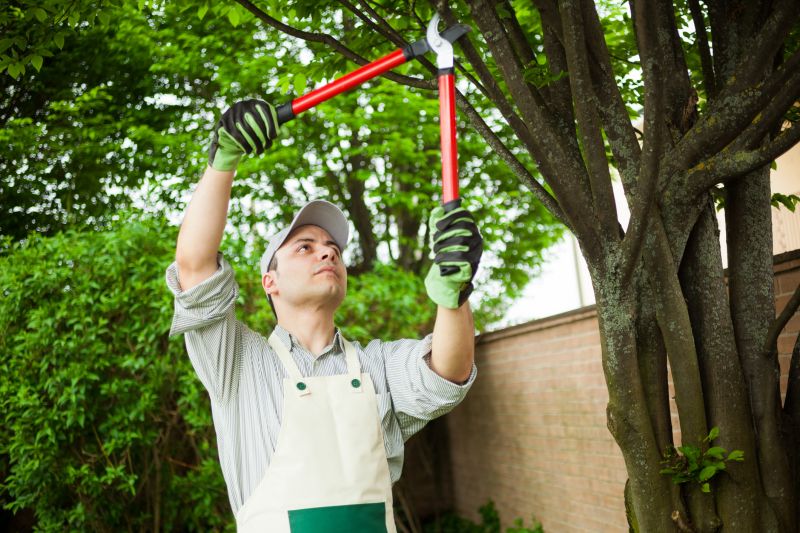
Arborist pruning services are often sought by property owners in Cape May, NJ, to maintain the health and appearance of their trees. Regular pruning can help remove dead or diseased branches, improve tree structure, and promote healthy growth. Homeowners may request these services to prevent branches from interfering with power lines, structures, or walkways, especially in areas prone to storms or high winds.
Additionally, pruning can enhance the overall aesthetics of a property by shaping trees and shrubs to complement landscaping designs. Property owners might also seek expert pruning to address safety concerns, such as reducing the risk of falling branches or addressing overgrown trees that could obstruct views or pathways. Local arborist service providers can assist with these everyday project needs to keep trees healthy and safe.
What is arborist pruning? Arborist pruning involves selectively trimming and shaping trees to promote healthy growth and maintain their appearance.
Why is professional pruning important? Professional pruning ensures trees are trimmed safely and effectively, reducing the risk of damage or disease.
How often should trees be pruned? The frequency of pruning depends on the tree species and condition; a local arborist can provide recommendations based on specific needs.
What types of pruning services are available? Services may include crown thinning, shaping, deadwood removal, and safety pruning to address specific concerns.
How can I find local arborist pruning services? Contacting local tree care providers or service professionals can connect you with experienced arborists in the Cape May area.
Tree Pruning Services - Professional arborists offer pruning to promote healthy growth and improve the appearance of trees in Cape May and surrounding areas.
Deadwood and Hazard Tree Removal - Local experts can safely remove dead or damaged branches to reduce the risk of falling and maintain tree health.
Crown Thinning and Shaping - Skilled arborists provide crown thinning and shaping to enhance light penetration and improve tree structure.
Storm Damage Pruning - Service providers can address storm-related damage, restoring safety and stability to affected trees.
Considering Arborist Pruning for a property in Cape May, NJ? The sections above highlight common project types, practical options, and details that often shape the scope of work.
When you are ready, use the quote form to share a few details about your project. Local pros can review the basics and respond with options that match what you have in mind.